Patio Lime Plants: Care and Uses
- plantheaven03
- Sep 23, 2025
- 4 min read

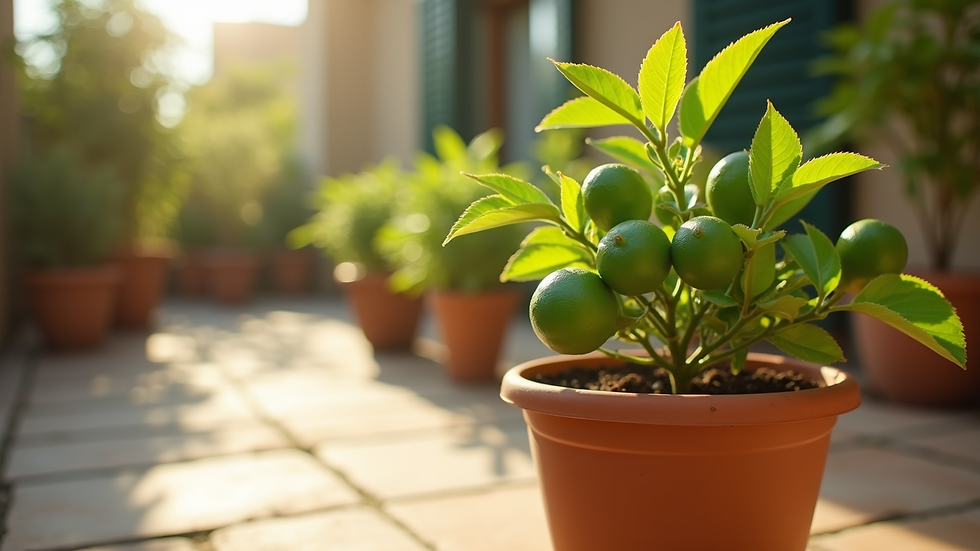
Growing lime plants on your patio is a rewarding experience. Not only do they add a splash of green and a fresh citrus scent, but they also provide delicious limes for your kitchen. Whether you have a small balcony or a spacious patio, lime plants can thrive with the right care. In this post, I’ll share everything I’ve learned about patio lime care, including how to nurture your plant, common challenges, and creative uses for your limes.

Other EXCITING FRUIT TREES
How to Care for Your Patio Lime Plant
Taking care of a lime plant on your patio is easier than you might think. The key is to mimic the conditions lime trees love in their natural environment. Here are some practical tips to keep your lime plant happy and productive:
Sunlight: Lime plants need plenty of sunlight. Aim for at least 6 hours of direct sun each day. A south-facing patio or balcony is ideal.
Watering: Keep the soil moist but not soggy. Water your lime plant when the top inch of soil feels dry. Overwatering can cause root rot, so good drainage is essential.
Soil: Use well-draining potting mix designed for citrus or container plants. Adding some sand or perlite can improve drainage.
Fertilizing: Feed your lime plant with a balanced citrus fertilizer every 6 weeks during the growing season (spring through early fall). This helps promote healthy growth and fruit production.
Pruning: Trim back any dead or crowded branches to improve air circulation and shape the plant. Pruning also encourages new growth.
Temperature: Lime plants prefer warm temperatures between 70-85°F (21-29°C). If you live in a cooler climate, bring your plant indoors during winter or use a frost cloth.
By following these steps, your lime plant will flourish and reward you with fresh fruit.
What are the disadvantages of a lime tree?
While lime trees are wonderful additions to your patio, they do come with a few challenges you should be aware of:
Pests: Lime plants can attract pests like aphids, spider mites, and scale insects. Regularly inspect your plant and treat infestations early with insecticidal soap or neem oil.
Space: Lime trees can grow quite large if not pruned regularly. If you have limited space, you’ll need to keep your plant trimmed and possibly repot it into a larger container as it grows.
Cold Sensitivity: Lime trees are sensitive to frost and cold temperatures. If you live in an area with cold winters, you’ll need to protect your plant or move it indoors.
Slow Fruit Production: It can take a couple of years for a lime tree to start producing fruit, especially if grown from seed. Patience is key.
Watering Needs: Overwatering or underwatering can stress the plant. Finding the right balance takes some attention.
Despite these drawbacks, the benefits of growing your own lime plant usually outweigh the challenges. With a little care and attention, you can enjoy fresh limes right from your patio.
Creative Uses for Your Patio Lime Harvest
Once your lime plant starts producing fruit, you’ll find many ways to use those fresh limes. Here are some of my favorite ideas:
Cooking and Baking: Use lime juice and zest to brighten up dishes like grilled fish, salads, and desserts. Lime adds a fresh, tangy flavor that complements many recipes.
Drinks: Fresh lime juice is perfect for cocktails, mocktails, and refreshing water infusions. Try classic drinks like margaritas or mojitos.
Preserving: Make lime marmalade or lime pickles to enjoy the flavor year-round.
Cleaning: Lime juice is a natural cleaner and deodorizer. Use it to clean cutting boards, remove stains, or freshen up your kitchen.
Skincare: Lime juice can be used in homemade skincare remedies, but be careful with sun exposure afterward as it can increase sensitivity.
Using your limes in these ways makes growing a patio lime plant even more rewarding.

Tips for Choosing the Right Lime Plant for Your Patio
Not all lime plants are the same, and choosing the right variety can make a big difference in your success. Here are some popular lime varieties suited for container growing:
Key Lime (Mexican Lime): Small, tart limes perfect for cooking and drinks. The tree is compact and well-suited for pots.
Persian Lime (Tahiti Lime): Larger limes with fewer seeds. This variety is common in grocery stores and grows well in containers.
Kaffir Lime: Known for its aromatic leaves used in cooking. The fruit is bumpy and less juicy but still useful.
When buying a lime plant, look for a healthy specimen with vibrant leaves and no signs of pests or disease. Starting with a young tree from a nursery is often easier than growing from seed.
How to Repot and Maintain Your Patio Lime Plant
As your lime plant grows, it will need more space and fresh soil. Repotting is an important part of patio lime care. Here’s how to do it:
Choose a Larger Pot: Pick a container that is 2-4 inches wider in diameter than the current pot. Make sure it has drainage holes.
Prepare the Soil: Use fresh, well-draining citrus potting mix.
Remove the Plant: Gently take the lime plant out of its current pot. Loosen the roots if they are tightly packed.
Place in New Pot: Position the plant in the new pot and fill around the roots with soil. Press lightly to remove air pockets.
Water Thoroughly: Water the plant well after repotting to help settle the soil.
Repotting every 2-3 years keeps your lime plant healthy and encourages better fruit production. Also, check for root health during repotting and trim any damaged roots.
If you want to explore more about growing and caring for lime plants, check out this patio lime resource for expert advice and quality plants.
Growing a lime plant on your patio is a fun and fruitful hobby. With the right care, you’ll enjoy fresh limes and a lovely green space to relax in. Happy gardening!
Other WONDERFUL FRUIT TREES:

$50
Product Title
Product Details goes here with the simple product description and more information can be seen by clicking the see more button. Product Details goes here with the simple product description and more information can be seen by clicking the see more button

$50
Product Title
Product Details goes here with the simple product description and more information can be seen by clicking the see more button. Product Details goes here with the simple product description and more information can be seen by clicking the see more button.
$50
Product Title
Product Details goes here with the simple product description and more information can be seen by clicking the see more button. Product Details goes here with the simple product description and more information can be seen by clicking the see more button.


Comments